




If you’ve spent time exploring sustainable fashion, chances are you’ve come across organic cotton more than once. It appears on clothing labels, in conversations about eco-friendly fabrics, and across collections from many mindful brands. Naturally, that raises a few questions.
Let’s quickly revisit the basics of organic cotton fabric: What exactly is organic cotton? How is it different from regular cotton? And is organic cotton actually better for everyday clothing?
Organic cotton focuses on a cleaner, more thoughtful approach to how cotton is grown and processed. When it comes to clothing, organic cotton is often developed into outfits that drape beautifully, feel soft and breathable, and remain comfortable throughout the day.
Read on to know more about organic cotton fabric, how it’s made, and why it has become such an important part of sustainable clothing today.
What Is Organic Cotton?
As an eco-friendly fabric, conventional cotton is grown using natural farming practices. Unlike conventional cotton cultivation, organic cotton farming does not use synthetic pesticides, toxic fertilizers, and genetically modified seeds. Instead, farmers rely on natural agricultural methods that support soil health, encourage biodiversity, and maintain balance within the ecosystem.
Techniques like crop rotation, composting, and biological pest control help keep the soil fertile while protecting nearby wildlife and water systems.
Because of this approach, organic cotton farming begins with a lighter environmental footprint. The fiber itself remains closer to its natural state, which eventually translates into fabrics that feel soft, breathable, and comfortable to wear.

For brands that focus on sustainable organic cotton apparel, this careful cultivation process forms the foundation for clothing that feels both thoughtful and timeless.
Organic Cotton vs Regular Cotton: Cultivation & Processing
Understanding organic cotton vs regular cotton comes down to how the fiber is grown and processed. Conventional cotton farming can often rely heavily on synthetic chemicals and intensive agricultural practices. Organic cotton, on the other hand, prioritizes natural cultivation methods that protect soil health and limit chemical exposure during farming.
This difference in how the cotton is grown dictates how the fabric feels once it becomes clothing. And the best part? Organic cotton fabrics always retain their softness and breathability, when grown in a sustainable manner.
Organic cotton garments are often appreciated for the following qualities:
- Soft, gentle texture against the skin
- Breathable comfort in hot and humid weather
- Lightweight yet durable fabric
- Natural moisture-wicking qualities
These characteristics make organic cotton clothing especially appealing for long workdays, travel, and relaxed weekend outfits. On warmer days, organic cotton dresses and relaxed tops allow air to move seamlessly, helping maintain ease and comfort throughout a hot summer day.
Here are a Few Interesting Facts About Organic Cotton
Let us walk you through a few exclusive features of this fabric: Organic cotton isn’t only about avoiding chemicals. The farming practices behind it often support healthier ecosystems in ways that aren’t always obvious.
For instance, organic cotton farms frequently practice crop rotation, where cotton is grown alongside other crops in alternating cycles. This helps replenish nutrients in the soil and prevents the farmland from becoming depleted over time.
Such organic farms also tend to encourage natural pest control. Instead of using synthetic pesticides, farmers choose to rely on beneficial insects and natural predators that help maintain balance within the ecosystem.
What’s interesting is that organically farmed soil often retains moisture more effectively? It is a commonly known fact that a healthy soil structure can absorb and hold water better, which can help crops grow with less stress during dry periods.
Because of these practices, organic cotton cultivation often supports richer biodiversity and healthier farmland. We give credit to these agricultural methods in making organic cotton a key material in many sustainable fashion labels today, especially at Reistor.
Organic Cotton and Everyday Style
Beyond its farming process, organic cotton fabric stands out for how effortlessly it fits into everyday wardrobes. Cotton has always been a familiar fabric, but organic cotton brings forward an added layer of thoughtfulness to it. This eco-friendly fabric works beautifully in silhouettes that are consciously made to feel relaxed, timeless, and versatile.
Organic cotton women’s clothing often carries a natural elegance. The fabric drapes gently, moves comfortably with the body, and tends to develop a soft, lived-in texture over time.

This balance of comfort and versatility makes it easy to build a wardrobe filled with sustainable organic cotton apparel that works across many moments of everyday life.
How We Source and Design Organic Cotton at Reistor
When sourcing organic cotton fabric, we focus on working with partners who value responsible farming and transparent production practices. Beginning with thoughtfully cultivated fibers allows us to create garments that feel natural and comfortable from the very first wear.
Being a conscious fashion brand with a keen focus on the wants of our community, our design process begins with how the fabric will feel in everyday life. We spend time exploring silhouettes, textures, and finishes that allow our organic cotton garments to blend seamlessly in your everyday wardrobe.
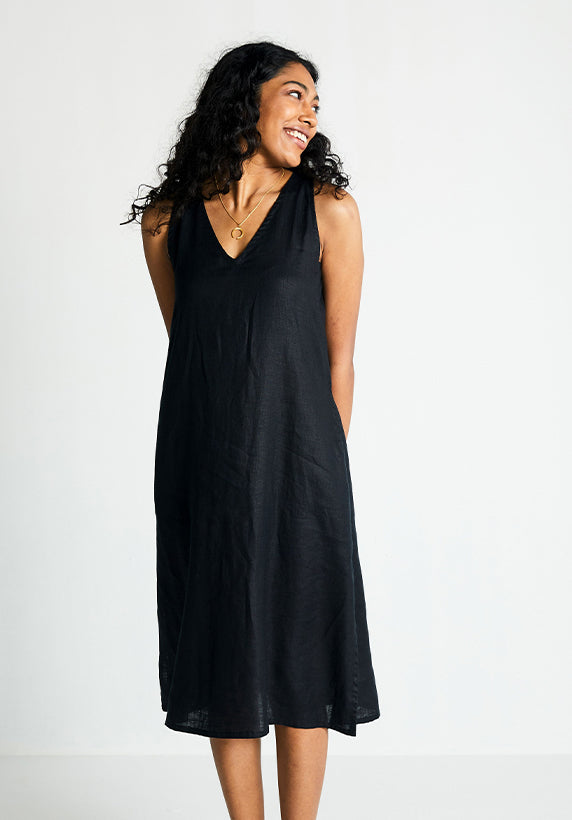
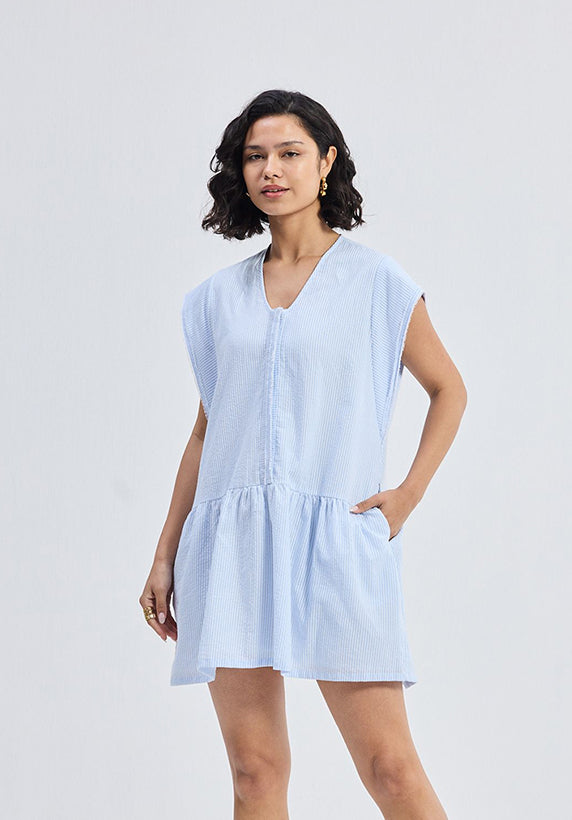
Pick any of our classic shirts from our organic cotton collection, and you’ll find that it works just as well for work hours as it does for evening plans, or one of our organic cotton dresses you can wear on a work day and again for a casual dinner.
In addition to eco-friendly fabrics like organic cotton, we’re all about soft textures, breathable fabrics, and easy silhouettes when laying out the design of each piece. The idea is to create clothing that you can wear on repeat, and not just for selected occasions or events. When garments are made with care and intention, putting together a wardrobe that feels natural, timeless, and comfortable becomes a whole lot easier.
Is Organic Cotton A Good Choice For The Environment?
When we ask whether organic cotton is better, the answer often depends on what matters most to the one asking. Organic cotton is exceptionally stylish and chic, perfect for everyday wear. From a comfort perspective, many people enjoy the softness and breathability of organic cotton fabric. From a sustainability perspective, the natural farming methods used in organic cultivation offer an alternative approach to conventional cotton production.
For ethical fashion brands and eco-conscious shoppers who value sustainable organic cotton apparel, this combination of comfort, versatility, and mindful sourcing makes organic cotton a compelling choice for stylish, everyday wear.

A Fabric That Supports Thoughtful Fashion
Organic cotton has quietly become one of the most important materials in modern sustainable fashion. For many wardrobes, cotton already forms the foundation of everyday clothing. Choosing organic cotton sustainable clothing simply builds on that familiarity with a fabric that feels natural, breathable, and easy to wear.
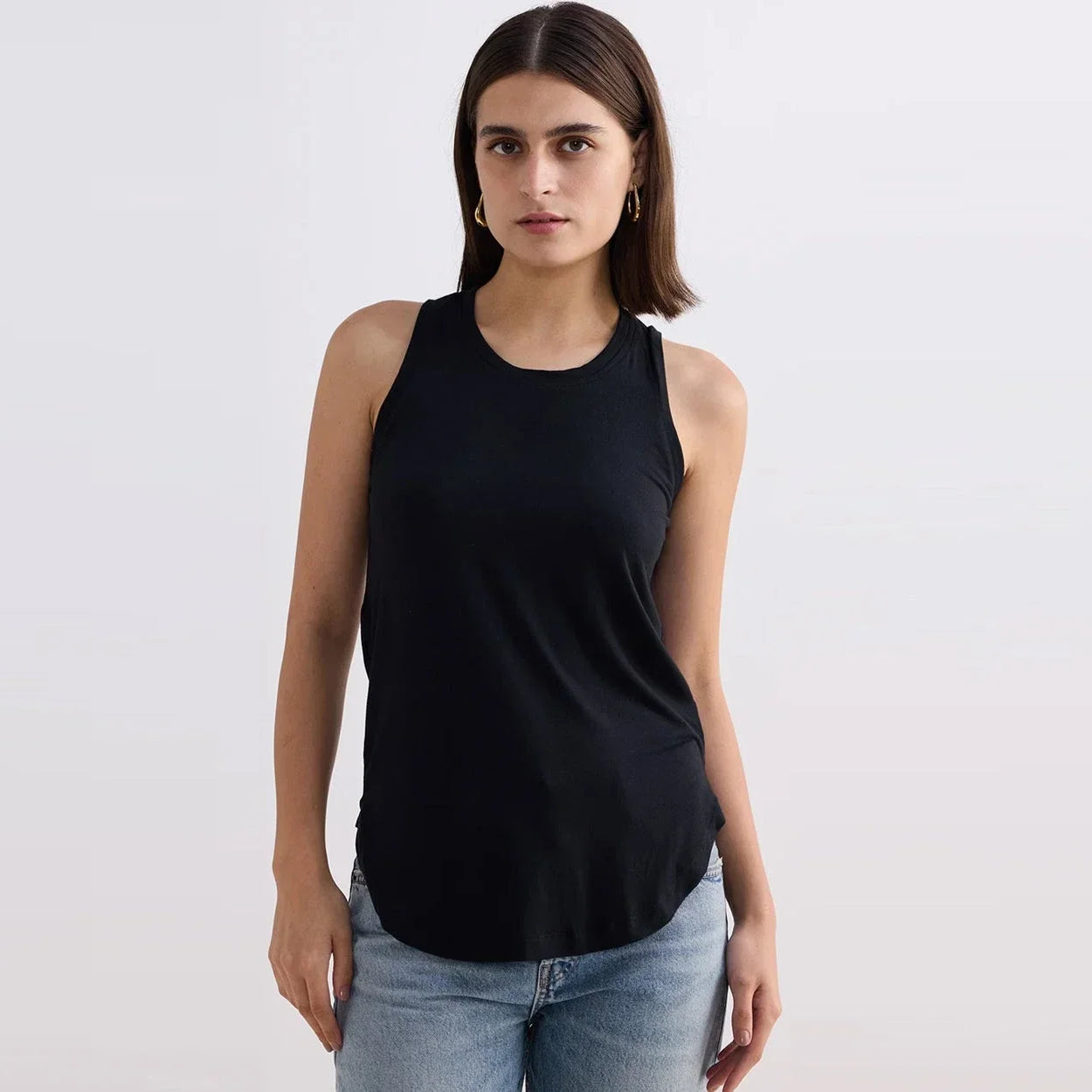
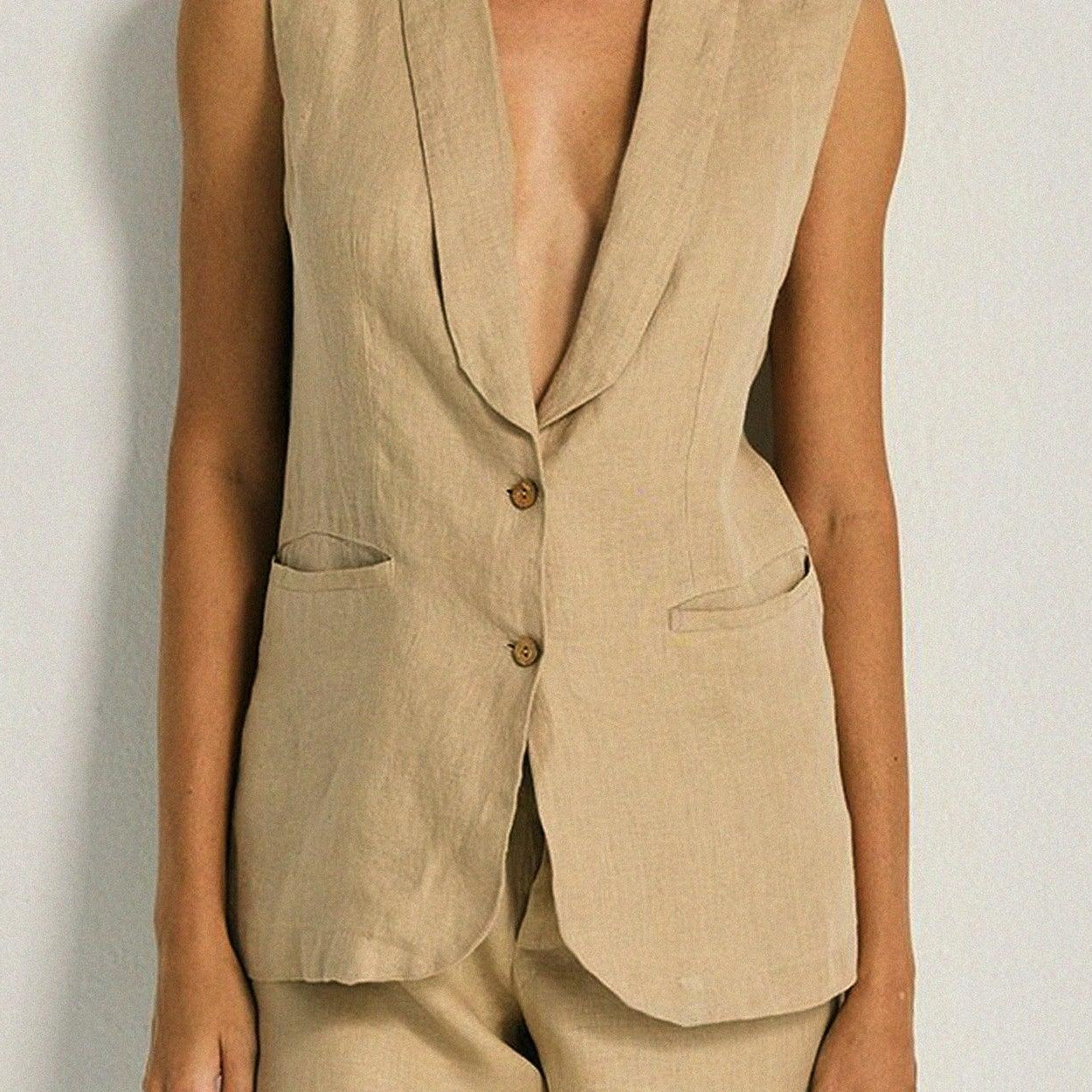
At Reistor, we have a range of organic cotton dresses, relaxed tops, timeless staples, and more variations in clothing that fits comfortably into everyday life.
In the end, the choice of organic cotton women’s clothing at Reistor goes beyond fabrication. It isn’t just about making an eco-conscious fashion change, it is also about creating pieces that feel good to wear, last through seasons, and reflect a more thoughtful approach to fashion.
FAQs
1. How is organic cotton different from regular cotton?
Organic cotton fabric is made from cotton grown without synthetic pesticides, fertilizers, or genetically modified seeds. It’s cultivated using natural farming methods, while conventional cotton farming often relies on synthetic chemicals.
2. Is organic cotton better for everyday clothing?
Many people find organic cotton fabric soft, breathable, and comfortable for daily wear, especially in warm climates.
3. What types of clothing are made with organic cotton?
Organic cotton is commonly used for dresses, shirts, tops, pants, and other sustainable organic cotton apparel.
4. Why do fashion brands use organic cotton?
Many brands choose organic cotton to create eco-friendly cotton clothing using natural fibers and thoughtful sourcing.